The State Bank of Vietnam (SBV) has introduced a mechanism allowing additional outstanding loans for Industrial Parks (IP), Export Processing Zones (EPZ), and Social Housing (SH) projects to be excluded from the real estate credit growth limits applied to 25 commercial banks in 2026.
The move has been widely viewed as a targeted adjustment to Vietnam’s real estate credit policy. Rather than broadly easing credit across the entire property market, the policy directs capital toward sectors closely linked to production, employment, and social welfare.
EXPANDING CREDIT CAPACITY FOR PRODUCTION AND SOCIAL WELFARE
A key feature of the policy is that additional outstanding loans for IPs, EPZs, and SH projects will be excluded from existing real estate credit growth limits.
This creates additional lending capacity for commercial banks, enabling them to expand financing for priority sectors without increasing pressure on their current real estate credit quotas. The approach is considered a balanced and flexible solution that helps contain risks associated with speculative real estate segments while ensuring continued access to capital for sectors that directly support economic growth and social welfare.
According to SBV data, total outstanding credit in the economy reached approximately VND 19.186 quadrillion by the end of Q1 2026. Outstanding credit for industry and construction totaled VND 4.577 quadrillion, while outstanding credit for SH projects reached approximately VND 41 trillion. These figures underscore the growing importance of productive sectors and SH within Vietnam’s credit structure.
STRENGTHENING INVESTMENT IN INDUSTRIAL INFRASTRUCTURE
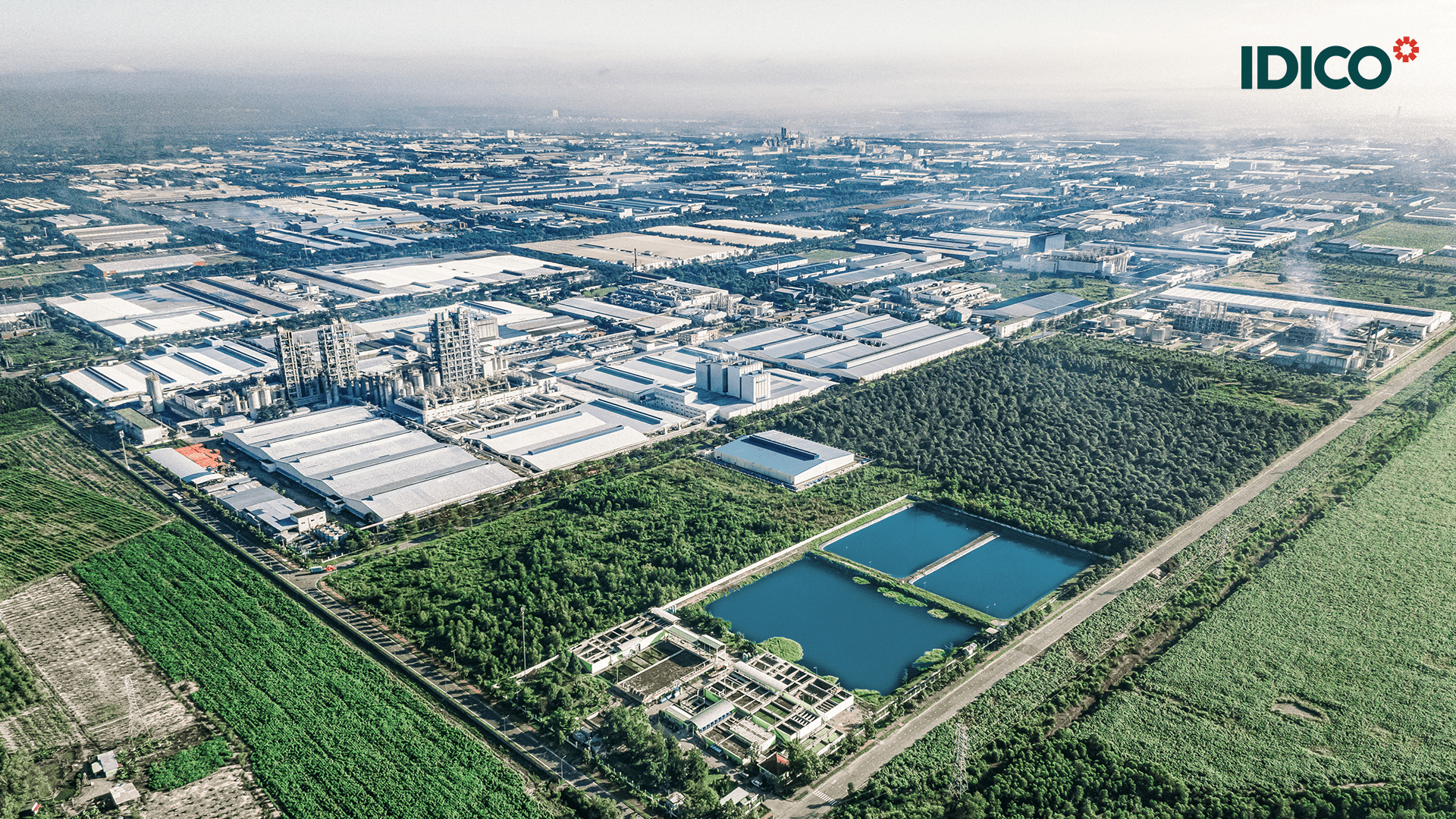
Among the sectors expected to benefit most directly from the new mechanism, IPs and EPZs are considered to have significant multiplier effects on production, investment, and economic growth. Their inclusion reflects the Government’s continued commitment to channeling capital toward manufacturing, exports, and investment attraction.
Enhancing investment competitiveness: As Vietnam continues to benefit from global supply chain diversification, well-developed IP infrastructure remains a key factor in attracting new foreign direct investment (FDI) projects.
Accelerating infrastructure development: Improved access to financing provides IP developers with greater capacity to accelerate land clearance, infrastructure construction, factory development, and supporting industrial services.
Generating stable cash flows and supporting credit quality: IPs are closely linked to long-term production and investment activities, creating predictable revenue streams and a more stable operating environment for both developers and lenders. Their development also drives demand for logistics, warehousing, transportation, worker housing, and other supporting services, generating wider economic spillover effects.
SOCIAL HOUSING: A CRITICAL COMPONENT OF THE INDUSTRIAL ECOSYSTEM
For SH, the policy is expected to improve access to financing for both developers and homebuyers, helping address one of the sector’s most persistent challenges: project development capital and housing credit for end users.
Providing greater resources for project development: By excluding additional SH loans from real estate credit limits, banks gain greater lending capacity, creating more favorable conditions for developers to launch and expand SH projects. This is particularly important as housing demand among workers and low-income households remains high across many provinces and cities.
Supporting national housing objectives: The policy contributes to the Government’s goal of delivering at least one million SH units during the 2021–2030 period while increasing housing supply in industrial centers with large migrant worker populations.
Supporting sustainable industrial ecosystems: Beyond its social welfare function, SH is increasingly recognized as an essential component of industrial development infrastructure. In many localities, the ability to provide adequate housing for workers has become a key factor in attracting investment, maintaining workforce stability, and enhancing the competitiveness of IPs. Prioritizing credit for both IPs and SH reflects a development approach in which production infrastructure and social infrastructure are advanced in a more integrated manner.
FROM INDUSTRIAL PARK DEVELOPMENT TO INDUSTRIAL–URBAN–SERVICE ECOSYSTEMS
The new SBV policy also reflects a broader trend that is becoming increasingly evident: IPs and worker housing are no longer developed separately but are viewed as complementary components of a unified development ecosystem.
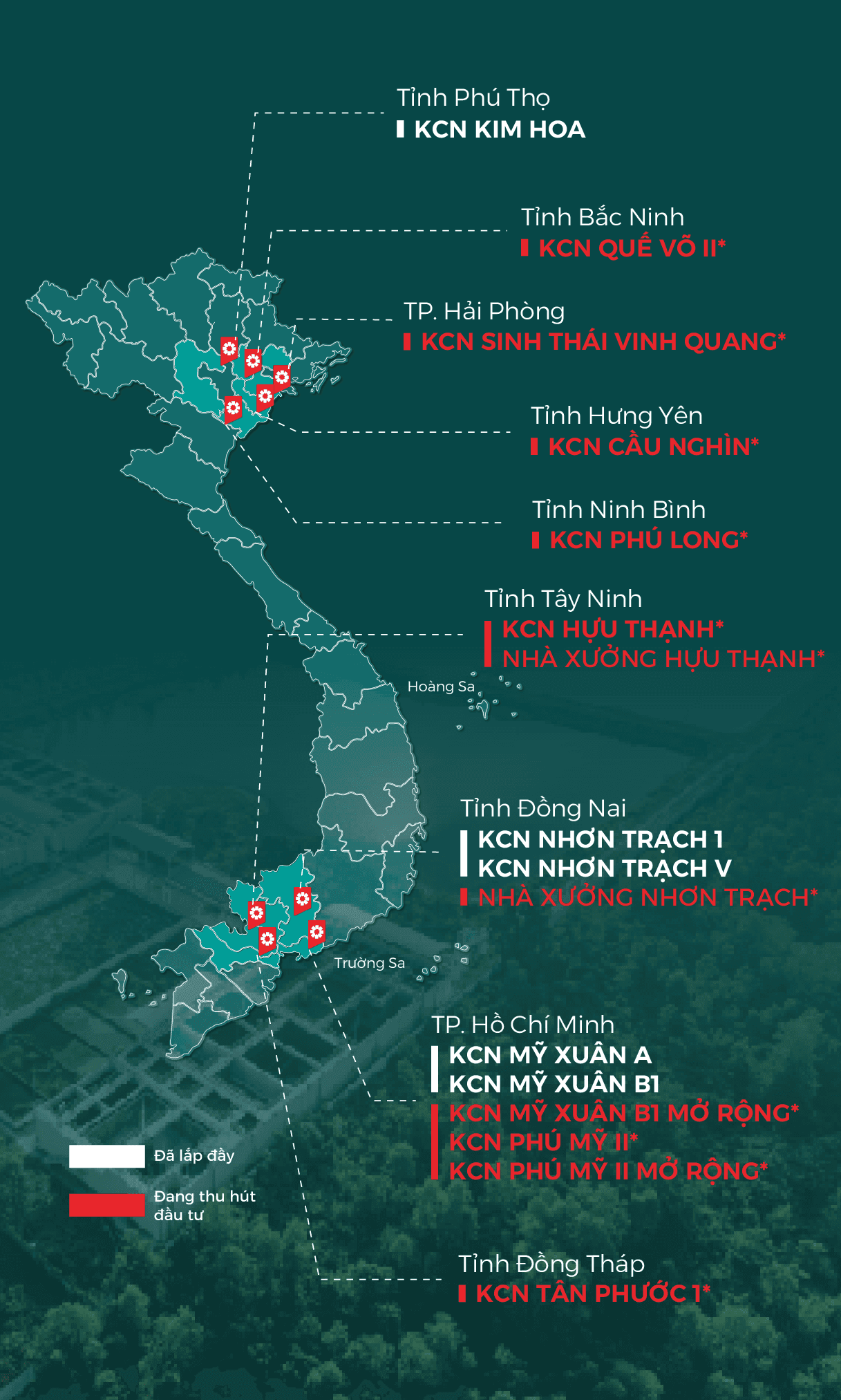
This is also the approach pursued by IDICO in the development of its IPs, integrating production infrastructure, supporting services, and living spaces for workers to create a sustainable foundation for businesses and local communities.
In Nhon Trach, alongside IDICO Nhon Trach 1 IP and IDICO Nhon Trach V IP, IDICO is developing worker housing and residential projects with a total area of approximately 20 hectares, providing more than 5,500 housing units. Located adjacent to major IPs and benefiting from convenient connectivity to regional transport infrastructure and Long Thanh International Airport, these developments are expected to become one of the key housing projects serving the area’s industrial workforce while contributing approximately 8.66% of Dong Nai Province’s SH development pipeline.
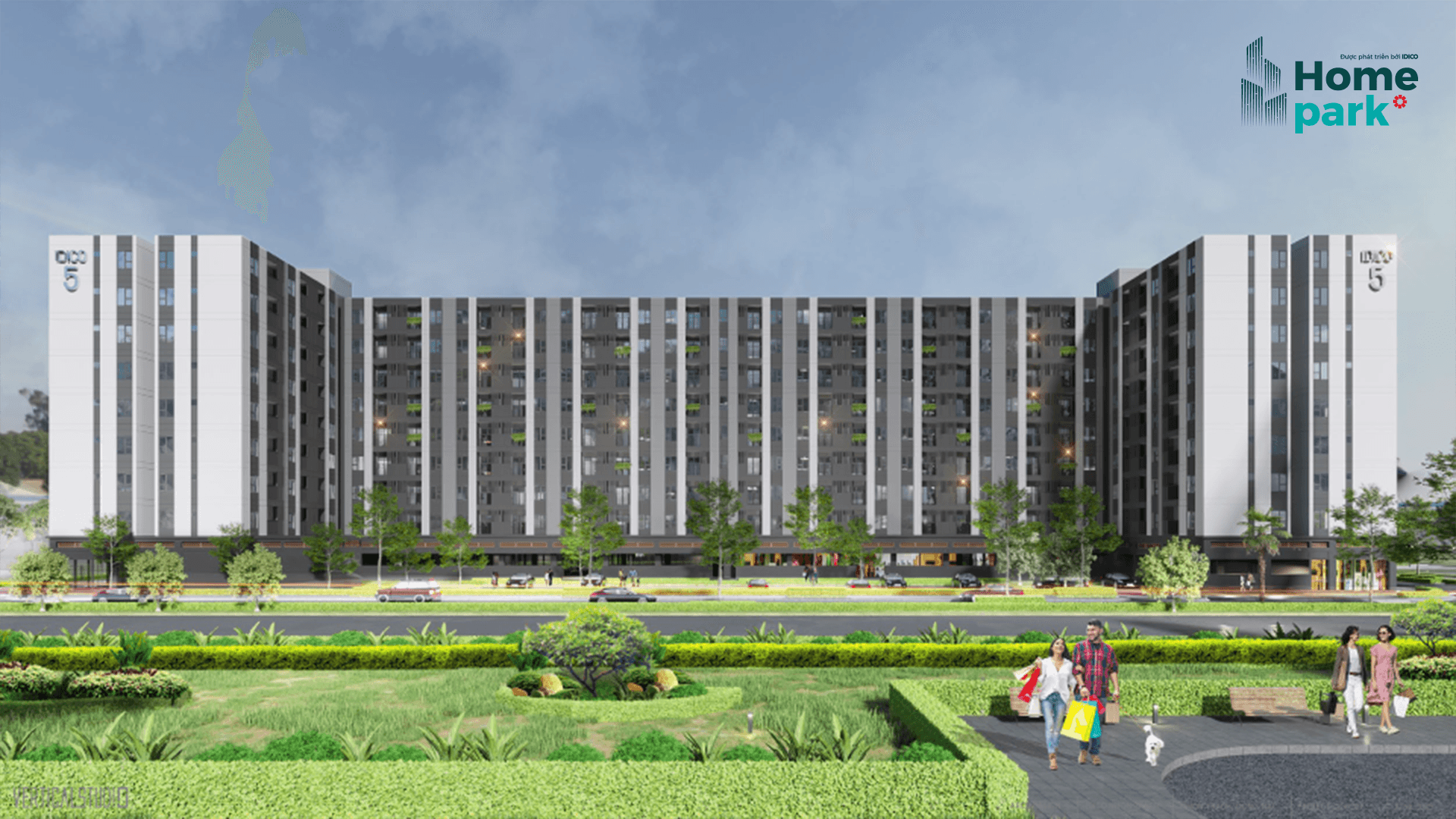
The integrated development model of IPs and worker housing is also being expanded across other locations where IDICO operates. In Duc Hoa Commune, Tay Ninh Province, IDICO is developing a 47.09-hectare residential and worker housing project adjacent to IDICO Huu Thanh IP. In Phu My Ward, Ho Chi Minh City, the My Xuan B1 SH project is planned on more than 34.26 hectares and will provide approximately 1,200 housing units. Initiated between late 2025 and early 2026, these projects are expected to expand housing supply for workers in key industrial areas while further strengthening the industrial–urban–service ecosystems that IDICO is developing.
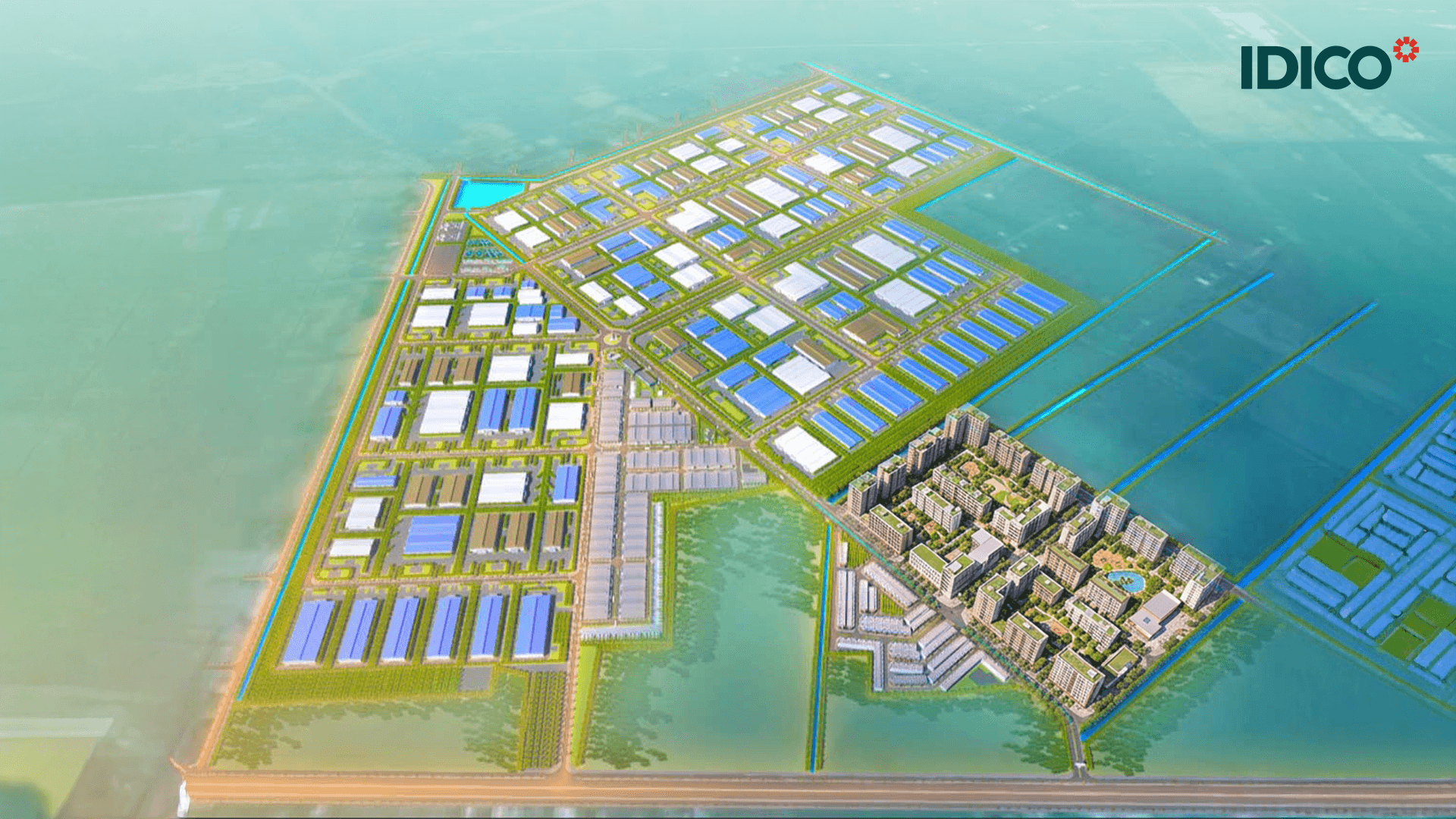
The new credit policy introduced by SBV not only creates additional financing capacity for IPs and SH but also highlights a broader development trend: the competitiveness of an IP is no longer determined solely by land availability or technical infrastructure. Increasingly, it depends on the ability to create a comprehensive ecosystem that supports both businesses and workers.
When production facilities, supporting services, and worker housing are developed in parallel, businesses gain access to a more stable workforce, localities improve the quality of economic growth, and workers enjoy greater opportunities for long-term settlement and improved living conditions. This is also the direction that IDICO has consistently pursued throughout more than 25 years of development—gradually building industrial–urban–service ecosystems where production infrastructure, supporting services, and living environments are developed in an integrated manner to create sustainable value for businesses, communities, and local economies.