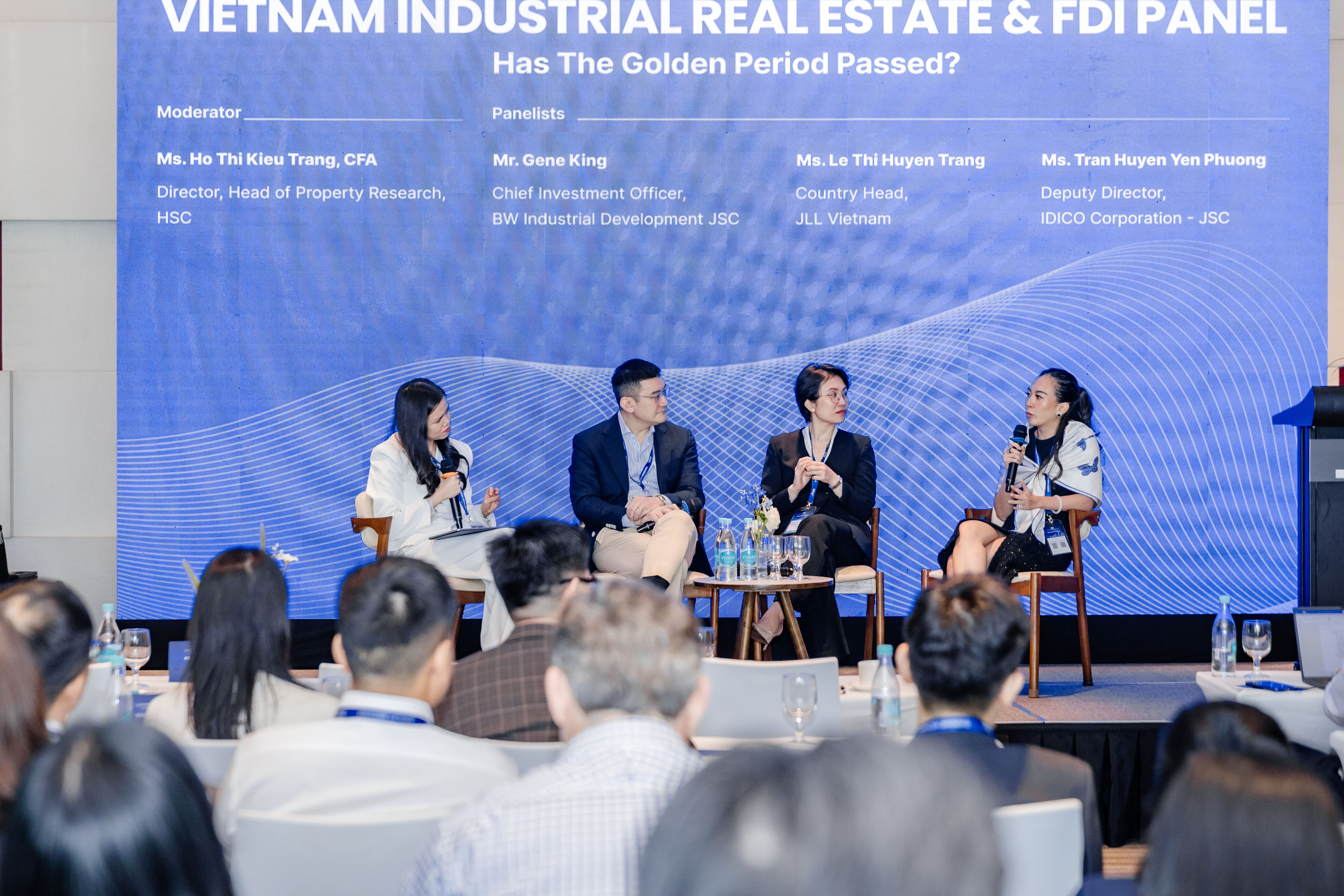
A recap from the panel discussion “Vietnam Industrial Real Estate & FDI — Has the Golden Era Passed?” at the 12th Annual Emerging Vietnam Investment Conference, hosted by HSC in Ho Chi Minh City.
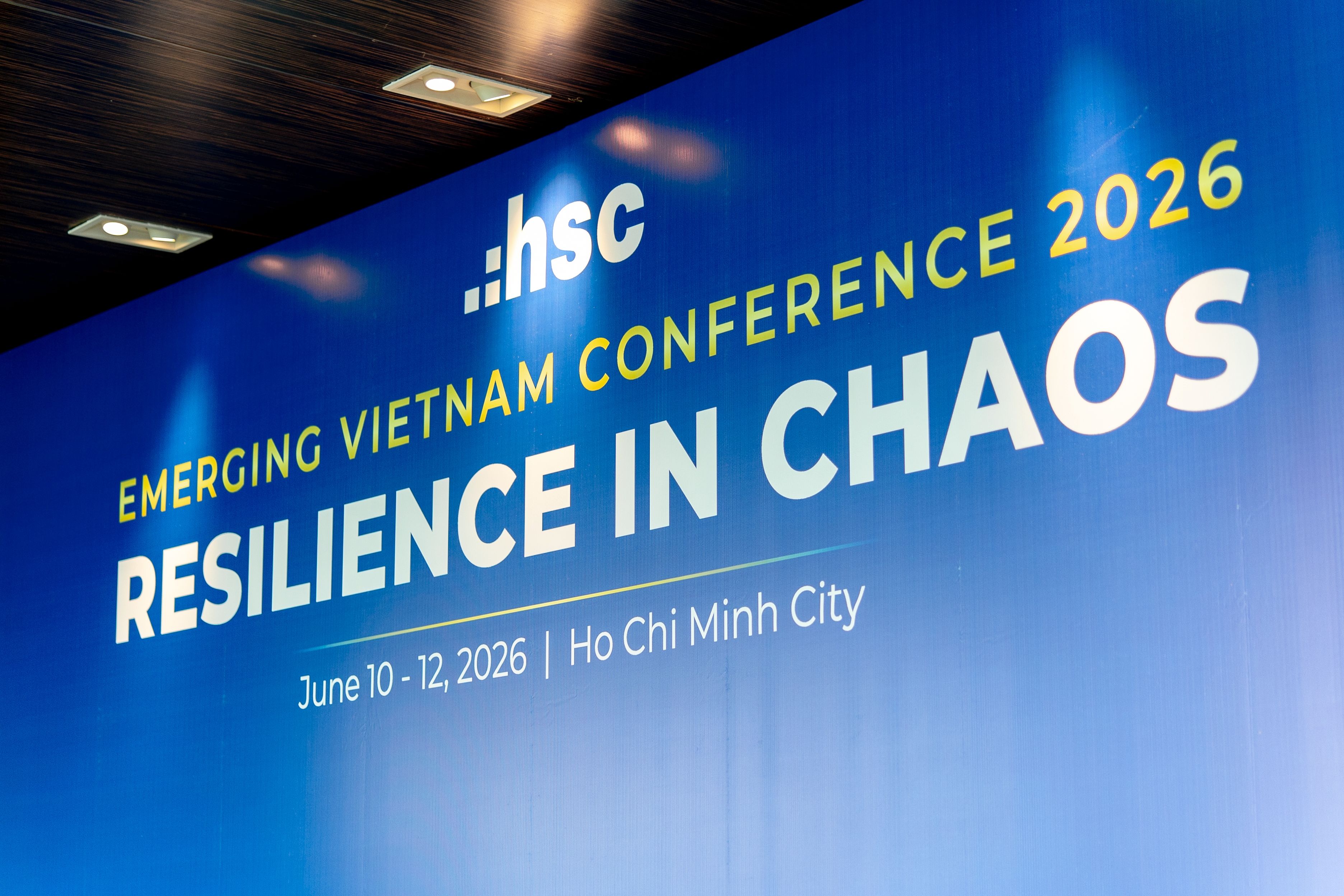
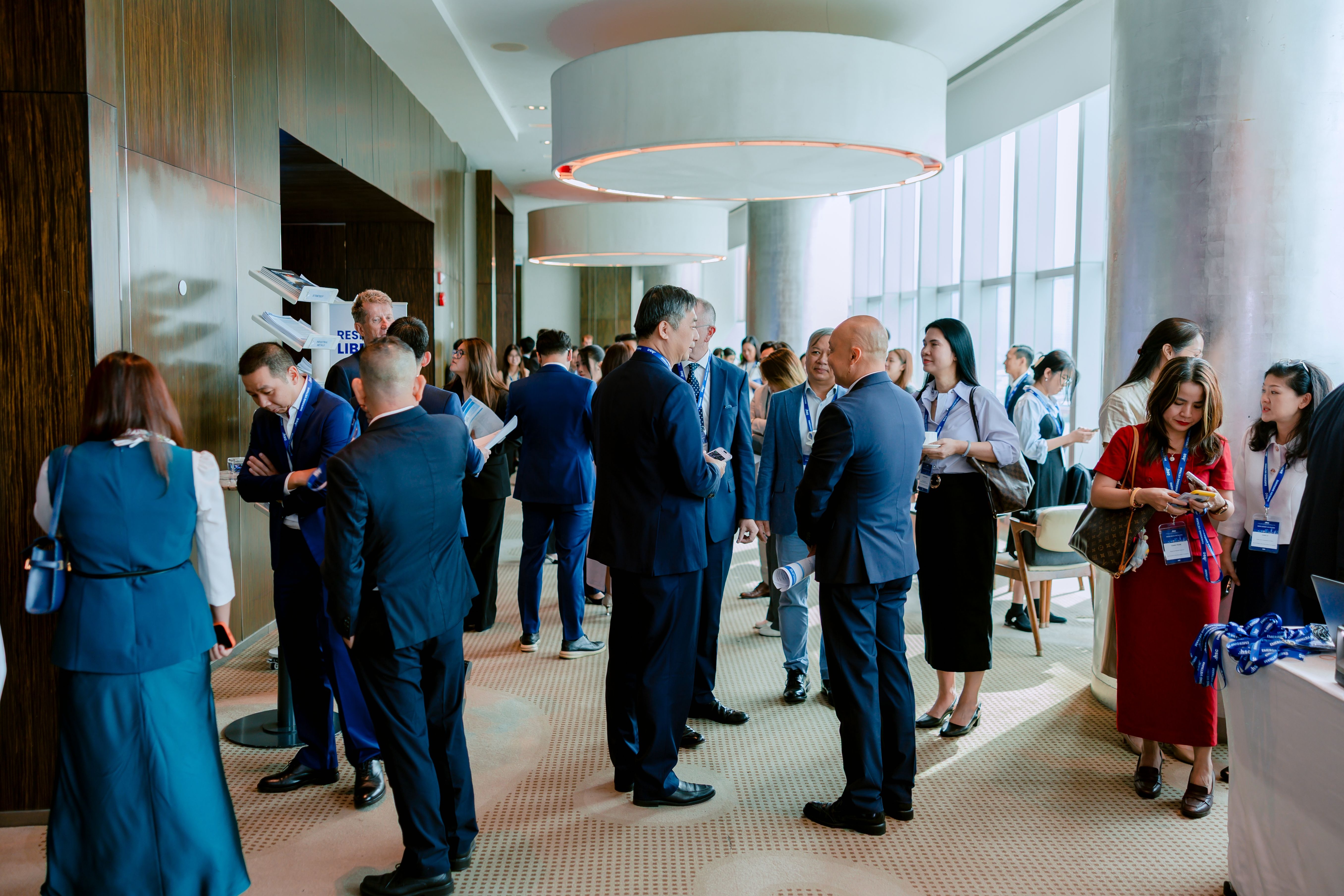
At HSC’s conference on June 10, more than 500 global investors, business leaders, and policymakers gathered to discuss the opportunities shaping Vietnam’s next phase of development, under the theme “Resilience in Chaos.”
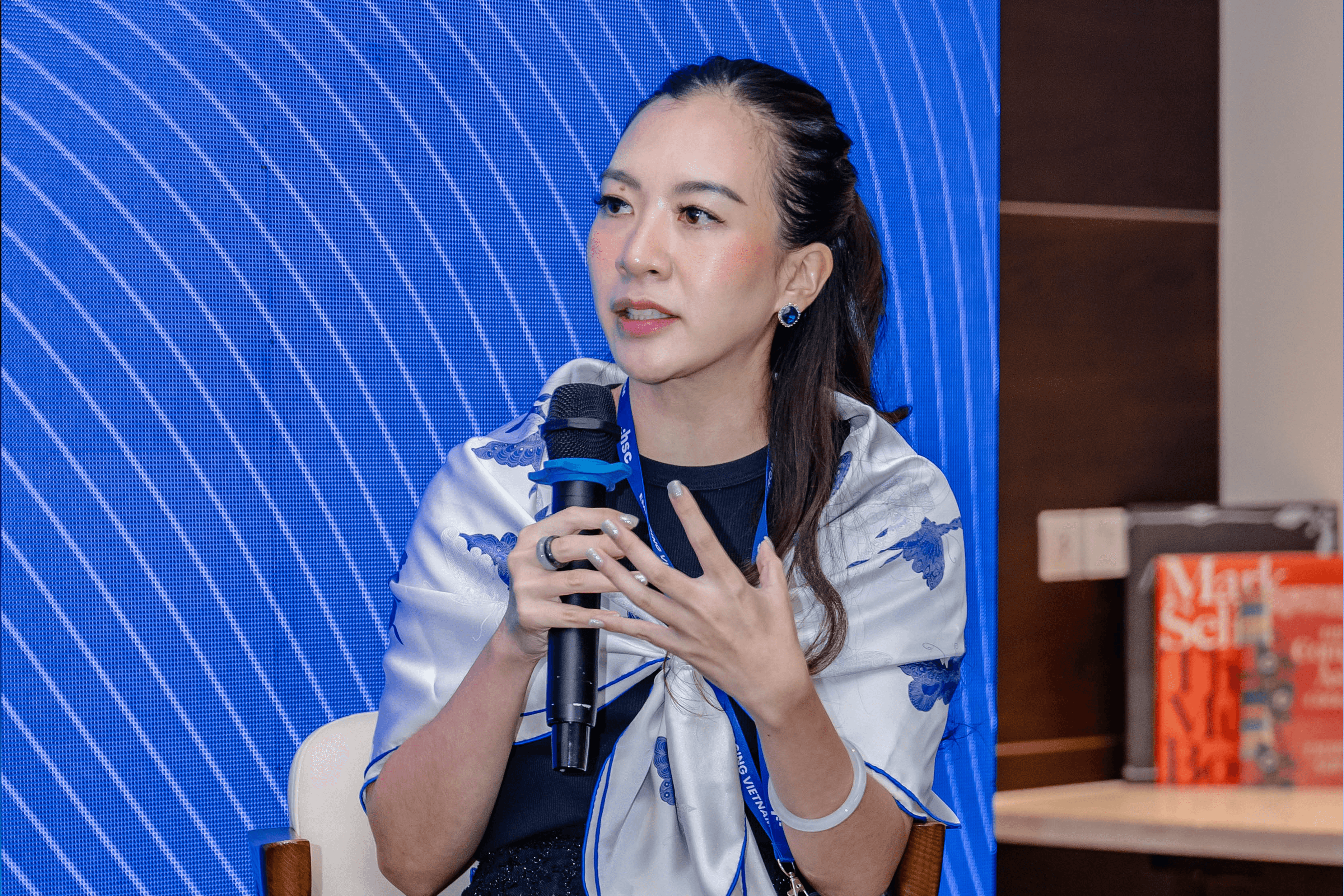
In a panel discussion on Vietnam’s industrial real estate market and FDI landscape, experts from industrial real estate consultant & market research, industrial park infrastructure development, and ready-built factory and warehouse operations joined to paint a comprehensive picture: from near-term pressures to the structural trends that will define the coming decade. IDICO’s representative shared candid, on-the-ground insights reflecting a significant transformation, both for the company and the industry, as Vietnam enters a new phase of growth.
CONTEXT: VIETNAM AT A TURNING POINT
On the policy front, over the past 12 months alone, the Government passed more than 80 new laws – an unprecedented pace that signals a top-level commitment to improving the investment environment. According to a market research specialist on the panel, Vietnam is among the fastest-climbing countries on global logistics efficiency indices, though significant room for improvement remains.
A notable perspective from the ready-built factory and warehouse operator on the panel: Vietnam is no longer simply an export-manufacturing platform. Major investors are now choosing Vietnam as a gateway to the entire Asian market serving both domestic and regional consumption. This represents a fundamental shift in the investment thesis.
Above all, every panelist reached the same watershed consensus: the era of competing on low cost is over. What follows is the age of ecosystems: more agile, more sustainable, and delivering far higher added value.
IDICO: POSITIVE SIGNALS AMID UNCERTAINTY
When asked about the impact of Middle East tensions and global instability on business operations, IDICO’s representative delivered a reassuring message: in the first half of 2026, IDICO continued to receive steady inquiries from both domestic and international investors seeking industrial land and ready-built factories.
“Middle East tensions create energy and operational cost pressures for existing tenants, but they are not a factor affecting the long-term strategic decisions of new investors,” IDICO’s representative shared. “What truly drives investor decisions remains Vietnam’s supply chain diversification potential, competitive costs, and political stability.”
This view is fully consistent with the assessment of the market research specialist on the panel, who confirmed that the supply chain relocation trend into Vietnam is “irreversible.”
FROM INFRASTRUCTURE LANDLORD TO ECOSYSTEM DEVELOPER
IDICO was candid about its model transformation: “Cost is no longer the only competitive advantage. As market dynamics shift and investor needs grow increasingly diverse, industrial park developers must transform themselves by raising their capabilities and broadening their competitive edge.”
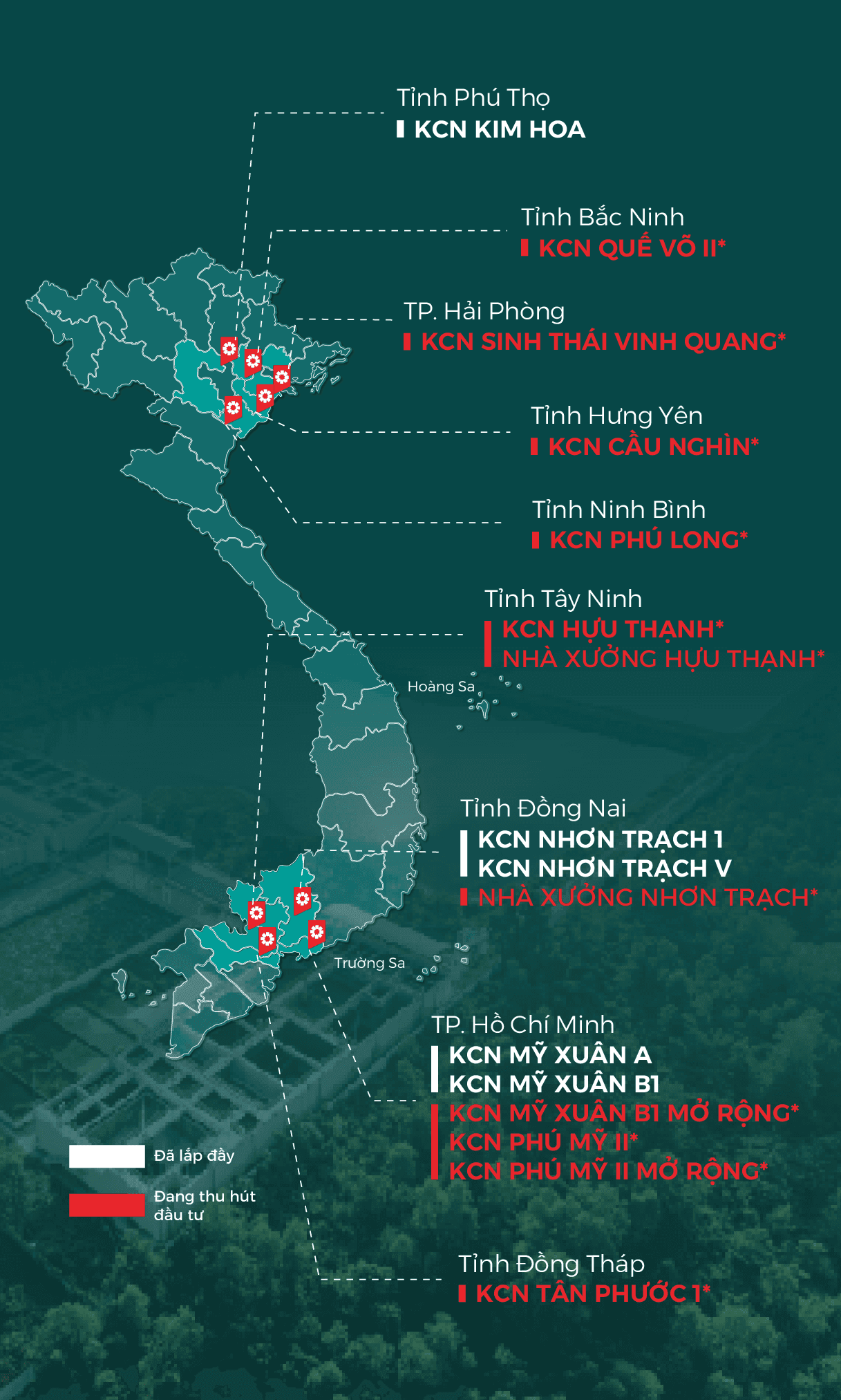
Operating 14 industrial parks across the country, IDICO is diversifying its product portfolio along the following lines:
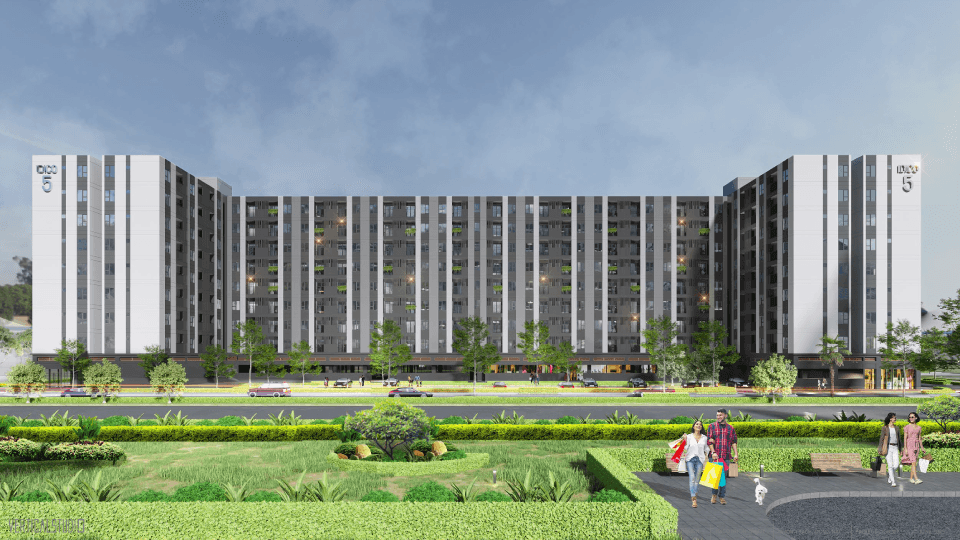
A comprehensive ecosystem built on four pillars: (1) Industrial Real Estate, (2) Energy, (3) Industrial Park Services, and (4) Residential & Urban. The goal is to build a comprehensive ecosystem that meets the production, operational, and living needs of businesses, professionals, and workers.
Ready-built factories and warehouses: Rather than simply providing industrial land, IDICO proactively develops ready-built facilities, helping investors avoid construction cost risks, which is particularly significant given that construction costs have risen approximately 30% in recent years. Occupancy in this segment currently stands at 100%, with a strategic target to scale to 1 million sqm within 3–5 years. This direction also reflects a broader market trend: the share of ready-built factories in Vietnam’s total industrial park land stock has grown from 0.7% to nearly 8% in less than a decade.
Proactively research and pioneer next-generation industrial park models. The eco-industrial park model is one example, deployed on two fronts: developing new parks with sustainability built in from the planning stage such as IDICO Vinh Quang (Hai Phong); and progressively retrofitting existing parks such as IDICO Phu My II (HCMC) in collaboration with JICA (Japan) to implement smart technologies.
On financial management - a challenge for industrial park operators given the upfront nature land lease cash flows, IDICO representative shared that the comprehensive industrial ecosystem model allows the company to optimize the substantial upfront capital from land leasing while simultaneously building recurring income streams as a financial buffer, including BOT transport infrastructure, operation services (power, water, wastewater treatment), ready-built facilities...
Furthermore, capital received from land leasing is strategically allocated across new project reinvestment, existing infrastructure upgrades, and investment in financial instruments to optimize long-term capital efficiency.
FROM NATIONAL STRENGTHS TO BUSINESS OPPORTUNITY
The session closed with a unified message from all panelists: the next era will belong to those who build industrial ecosystems with the strongest operational integration, deepest connectivity, and most sustainable value creation for FDI investors.
With 14 industrial parks, a comprehensive ecosystem model, a fast-growing ready-built factory and warehouse portfolio, and a clear eco-transformation roadmap, IDICO is positioning itself as the strategic partner of choice for Vietnam’s next wave of high-quality FDI.
*Photos from the conference: